Description
Some common liver problems include:
- Hepatitis: Hepatitis refers to inflammation of the liver and can be caused by viral infections (such as hepatitis A, B, C, D, or E), alcohol abuse, autoimmune diseases, or certain medications. Symptoms may include fatigue, jaundice (yellowing of the skin and eyes), abdominal pain, nausea, and loss of appetite.
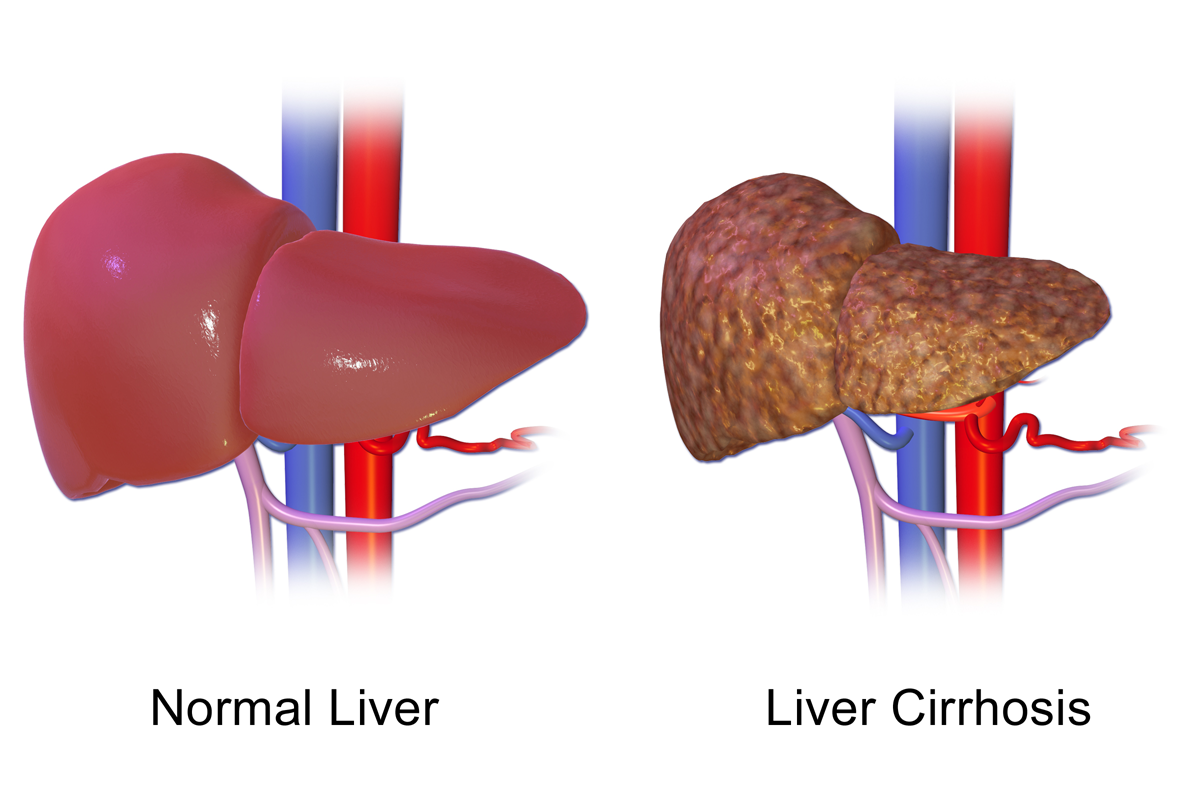
- Cirrhosis: Cirrhosis is a late-stage liver disease characterized by the progressive scarring and damage to liver tissue. It can result from chronic hepatitis, long-term alcohol abuse, or other causes. Symptoms may include fatigue, weight loss, jaundice, abdominal swelling, confusion, and an increased risk of bleeding and infections.
- Fatty Liver Disease: Fatty liver disease refers to the accumulation of fat within liver cells. It can occur due to excessive alcohol consumption (alcoholic fatty liver disease) or unrelated to alcohol (non-alcoholic fatty liver disease). In its advanced stages, fatty liver disease can lead to inflammation, scarring, and liver damage.
- Liver Cancer: Liver cancer can arise from primary liver tumors or as a result of cancer spreading from other parts of the body (metastatic liver cancer). Risk factors include chronic liver diseases, hepatitis infections, alcohol abuse, and certain genetic conditions. Symptoms may include abdominal pain, unexplained weight loss, jaundice, and a general decline in health.
Diagnosing liver problems involves a combination of medical history evaluation, physical examination, blood tests (such as liver function tests and viral hepatitis markers), imaging tests (such as ultrasound, CT scan, or MRI), and sometimes a liver biopsy to assess the extent of liver damage.
Treatment options for liver problems depend on the specific condition and its severity. They can include lifestyle modifications (such as alcohol cessation and weight loss), medications, antiviral therapies (for viral hepatitis), immunosuppressive drugs (for autoimmune liver diseases), liver transplantation (in advanced cases), or targeted therapies for liver cancer.
If you suspect you have liver problems or are experiencing symptoms related to liver dysfunction, it is crucial to consult with a healthcare professional. They can provide an accurate diagnosis, recommend appropriate treatment options, and help manage and improve your liver health.