Description
Some common gallbladder issues include:
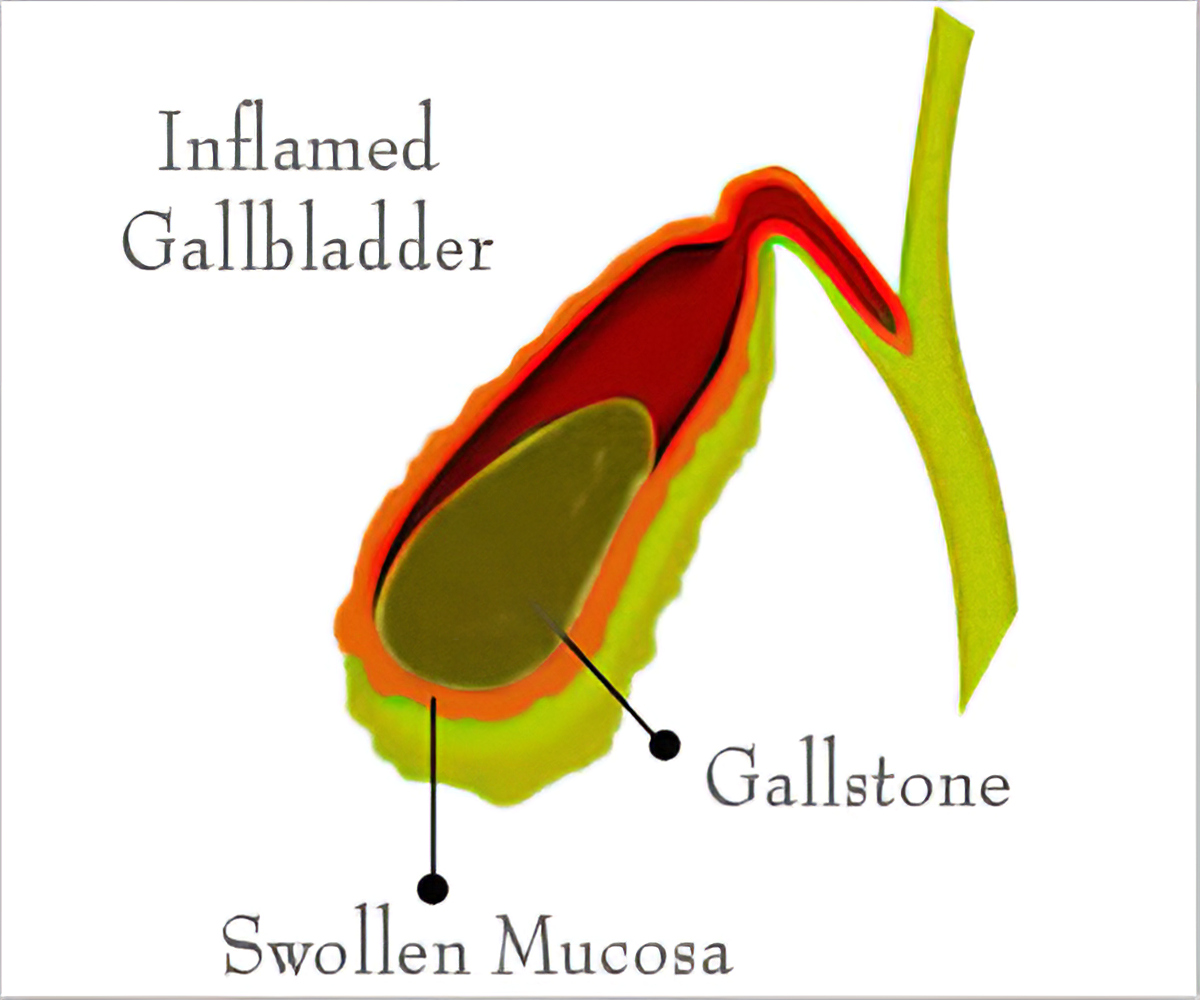
- Gallstones: Gallstones are small, hard deposits that form in the gallbladder. They can vary in size and number and may not cause any symptoms. However, when gallstones obstruct the bile ducts or cause inflammation, it can result in symptoms such as abdominal pain, particularly in the upper right quadrant, back pain between the shoulder blades, nausea, vomiting, and bloating.
- Cholecystitis: Cholecystitis is the inflammation of the gallbladder, often caused by gallstones blocking the flow of bile. It can lead to severe abdominal pain, tenderness, fever, and sometimes jaundice (yellowing of the skin and eyes).
- Biliary Dyskinesia: Biliary dyskinesia refers to abnormal movement or dysfunction of the gallbladder. It can cause symptoms similar to gallstones or cholecystitis, including pain, nausea, and bloating, even in the absence of gallstones.
Diagnosing gallbladder issues typically involves a combination of medical history evaluation, physical examination, and diagnostic tests such as abdominal ultrasound, CT scan, or HIDA scan (a nuclear imaging test that assesses gallbladder function).
Treatment for gallbladder issues depends on the specific condition and its severity. If gallstones are causing symptoms or complications, surgical removal of the gallbladder, known as cholecystectomy, is often recommended. In some cases, medication or lifestyle modifications may be sufficient to manage symptoms and prevent further complications.
If you suspect you have gallbladder issues or are experiencing symptoms related to the gallbladder, it is important to consult with a healthcare professional. They can provide an accurate diagnosis, recommend appropriate treatment options, and help manage and improve your gallbladder health.