Description
The underlying cause of a hernia is often attributed to a combination of muscle weakness and increased pressure on the affected area. This can happen due to factors like heavy lifting, persistent coughing, obesity, pregnancy, or even a congenital predisposition.
The symptoms of a hernia may vary depending on its location, size, and severity. Common signs include a visible bulge or swelling, pain or discomfort, especially when lifting or straining, a feeling of heaviness or pressure, and sometimes digestive issues like heartburn or difficulty swallowing.
If left untreated, hernias can lead to complications such as incarceration, where the protruding organ becomes trapped and may become strangulated, cutting off its blood supply. This can result in severe pain, tissue damage, or even life-threatening conditions requiring emergency medical attention.
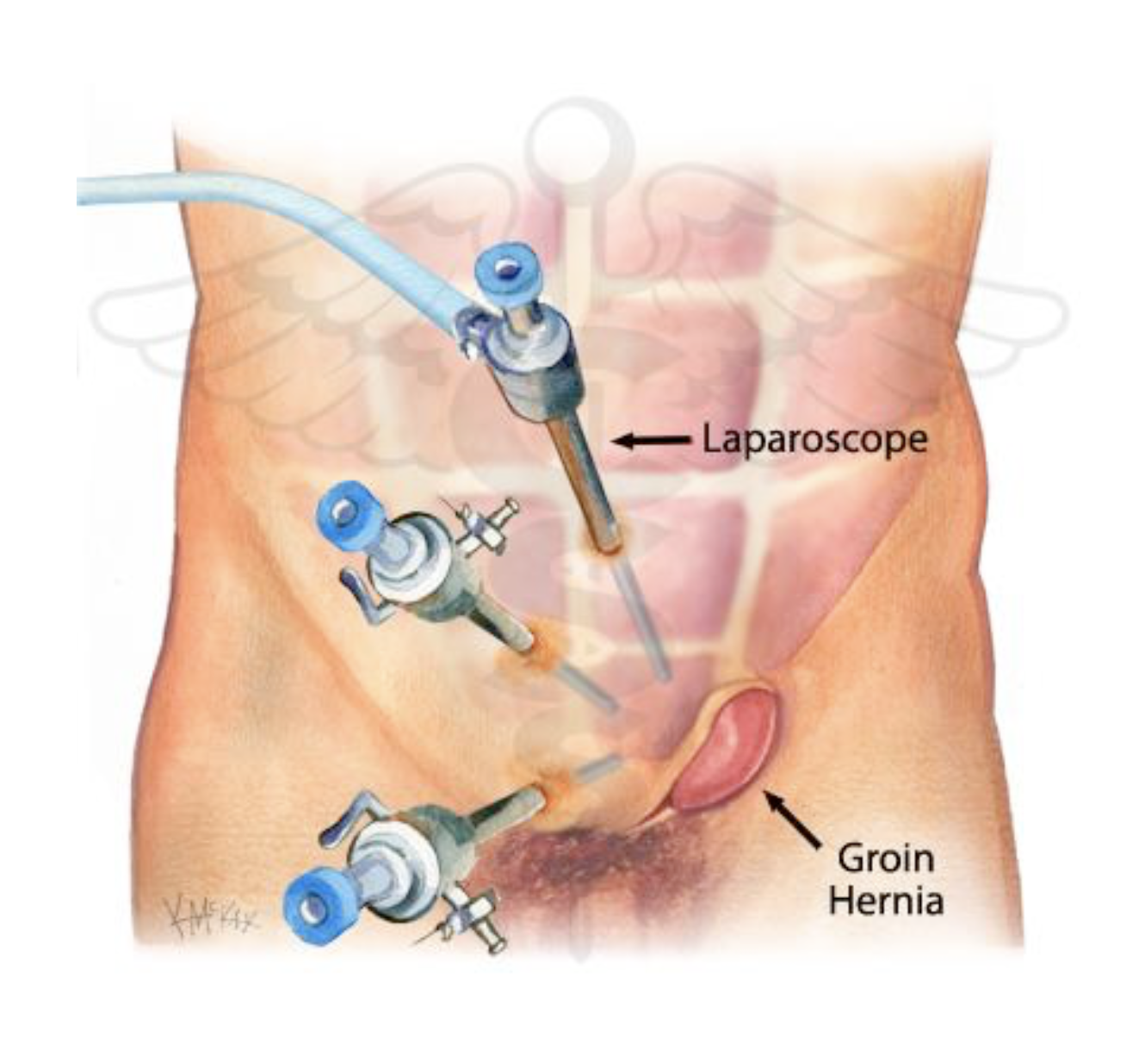
Treatment for hernias typically involves surgical repair, where the protruding organ or tissue is placed back into its original position, and the weakened muscle or tissue is reinforced or repaired. In some cases, a non-surgical approach may be considered, depending on the type and size of the hernia, as well as the individual’s overall health.
Early diagnosis and timely intervention are crucial in managing hernias effectively and preventing potential complications. If you suspect you have a hernia or are experiencing symptoms, it is important to consult with a healthcare professional for an accurate diagnosis and appropriate treatment options.