Description
There are different types of bowel diseases, including:
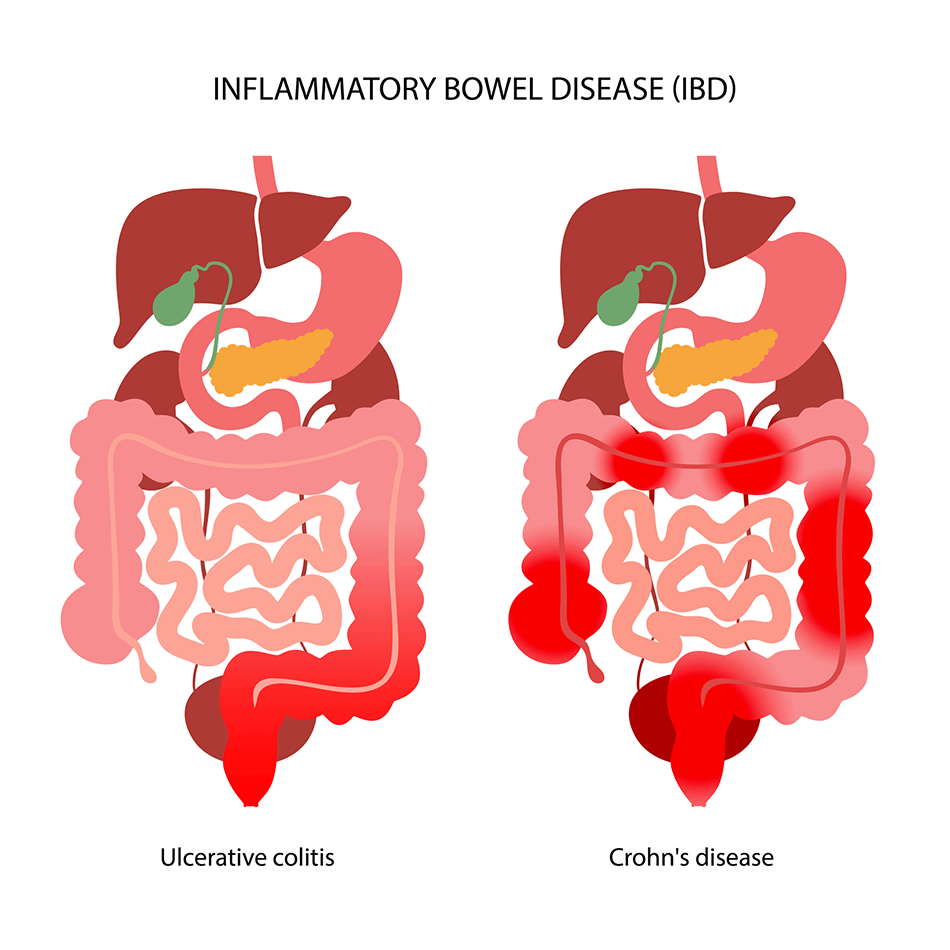
- Inflammatory Bowel Disease (IBD): IBD is a chronic condition characterized by inflammation of the digestive tract. The two primary types of IBD are Crohn’s disease and ulcerative colitis. Symptoms can include abdominal pain, diarrhea (sometimes with blood), fatigue, weight loss, and reduced appetite. IBD often involves periods of flare-ups and remission.
- Irritable Bowel Syndrome (IBS): IBS is a functional bowel disorder characterized by recurrent abdominal pain and changes in bowel habits, such as diarrhea, constipation, or a mix of both. While the exact cause is unknown, factors like diet, stress, and abnormalities in the gut-brain axis are thought to contribute to IBS symptoms.
- Diverticular Disease: Diverticular disease occurs when small pouches called diverticula develop in the lining of the colon. These pouches can become inflamed or infected, causing symptoms such as abdominal pain, bloating, constipation, or diarrhea. In severe cases, diverticula can lead to complications like diverticulitis or intestinal blockage.
- Celiac Disease: Celiac disease is an autoimmune disorder triggered by the ingestion of gluten, a protein found in wheat, barley, and rye. It causes damage to the small intestine, leading to malabsorption of nutrients. Symptoms can include diarrhea, abdominal pain, bloating, fatigue, and weight loss.
Diagnosing bowel diseases often involves a combination of medical history evaluation, physical examination, blood tests, imaging tests (such as endoscopy or colonoscopy), and sometimes tissue biopsies. Treatment approaches for bowel diseases vary depending on the specific condition and its severity but may include medication, dietary changes, lifestyle modifications, and in some cases, surgery.
Living with a bowel disease often requires ongoing management and monitoring to control symptoms, minimize inflammation, and maintain overall bowel health. Regular follow-ups with healthcare providers, adherence to treatment plans, and making appropriate lifestyle adjustments can help individuals with bowel diseases effectively manage their condition and improve their quality of life.