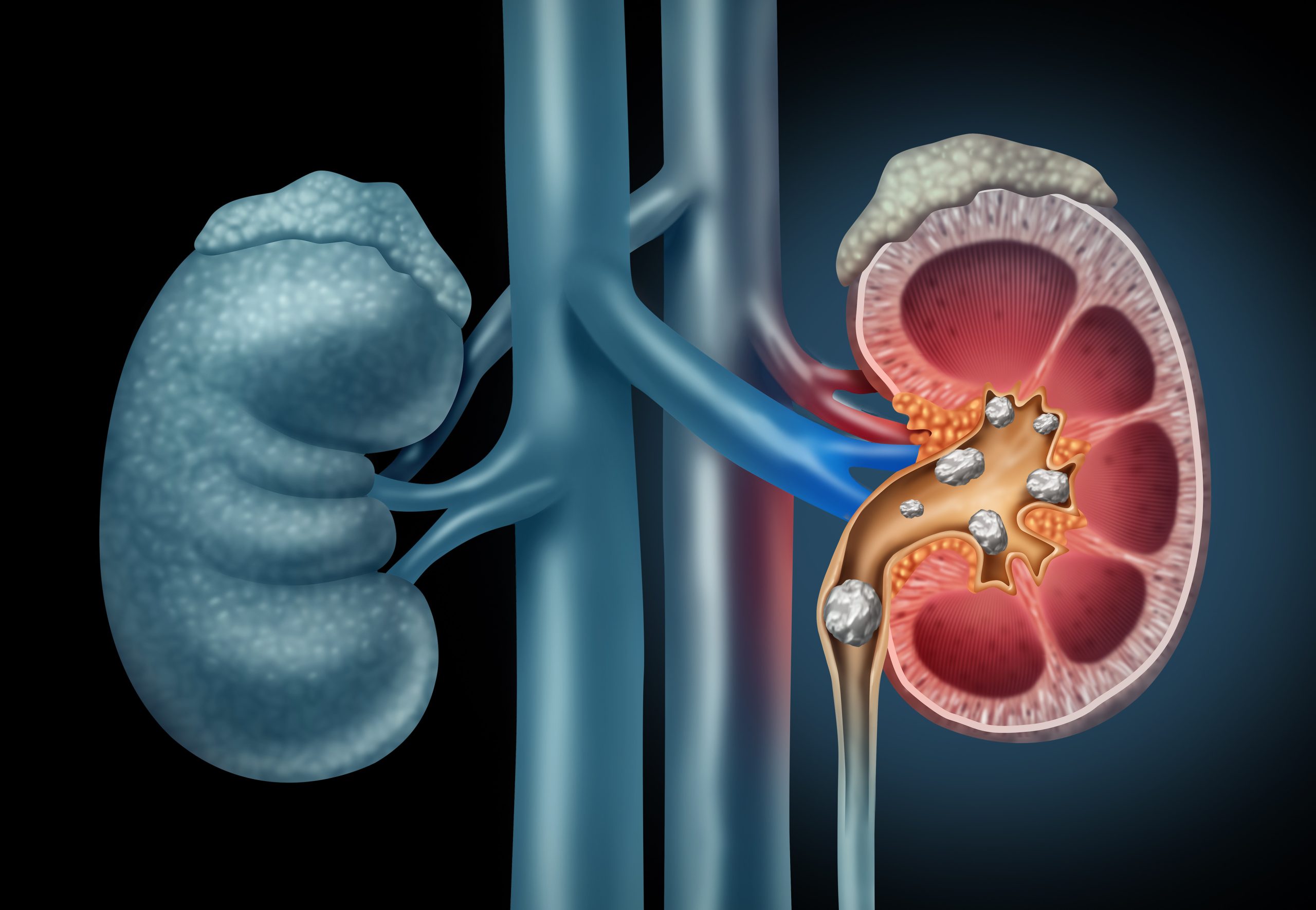
Description
The exact cause of kidney stone formation is often multifactorial, involving a combination of genetic predisposition, dehydration, certain dietary factors (such as high intake of oxalate or calcium), and metabolic conditions that affect urine composition.
When kidney stones are small, they may pass through the urinary tract without causing noticeable symptoms. However, larger stones can cause significant pain and discomfort. Common symptoms of kidney stones include severe lower back pain that radiates to the lower abdomen and groin, blood in the urine, frequent urination, urgency to urinate, and a burning sensation during urination.
Diagnosis of kidney stones typically involves a physical examination, evaluation of symptoms, and imaging tests such as ultrasound, CT scan, or X-ray. In some cases, urine analysis may also be conducted to assess the composition of the stone and guide treatment decisions.
Treatment for kidney stones depends on their size, location, and severity of symptoms. Small stones may be managed through conservative measures such as increased fluid intake, pain medication, and close monitoring. However, larger stones or stones causing severe symptoms may require more invasive interventions. These can include extracorporeal shock wave lithotripsy (ESWL), ureteroscopy with stone removal, or in some cases, surgical removal of the stone.
Prevention strategies for kidney stones often involve lifestyle modifications such as drinking an adequate amount of water, maintaining a balanced diet, limiting intake of certain foods, and managing underlying conditions that contribute to stone formation.
If you suspect you have kidney stones or experience symptoms related to kidney stones, it is important to consult with a healthcare professional. They can provide an accurate diagnosis, recommend appropriate treatment options, and guide you in managing kidney stone formation effectively to prevent future occurrences.