Description
Piles (Hemorrhoids): Piles are swollen blood vessels located in the lower rectum or anus. They can be internal (inside the rectum) or external (under the skin around the anus). Piles can result from increased pressure on the blood vessels, often due to straining during bowel movements, pregnancy, chronic constipation, or prolonged sitting. Symptoms of piles can include rectal bleeding, pain, itching, discomfort, and a lump or swelling around the anus.
Fistula: An anal fistula is an abnormal tunnel that forms between the inner lining of the anus or rectum and the surrounding skin. It is usually the result of an infection in an anal gland that causes an abscess (collection of pus) to form. Over time, the abscess can create a passageway, resulting in a fistula. Symptoms of a fistula may include persistent or recurring anal pain, swelling, discharge of pus or blood, and discomfort during bowel movements.
Diagnosis of both piles and fistula involves a physical examination, medical history evaluation, and often a visual inspection of the anal area. In some cases, additional tests such as a digital rectal examination, sigmoidoscopy, or colonoscopy may be performed to rule out other underlying conditions or evaluate the extent of the condition.
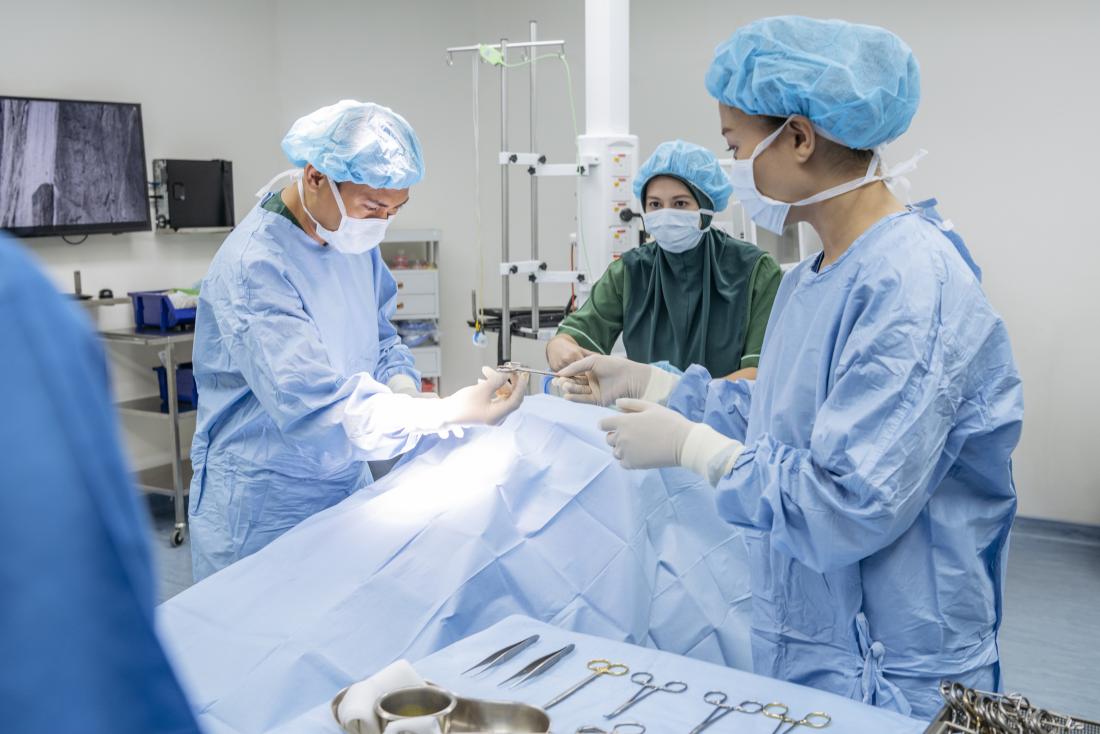
Treatment for piles can range from lifestyle modifications and self-care measures (such as increased fiber intake, sitz baths, and topical ointments) to more advanced interventions like rubber band ligation, sclerotherapy, or surgical removal. Fistulas usually require surgical intervention to remove the infected tract and promote proper healing.
It is important to consult with a healthcare professional, preferably a specialist such as a gastroenterologist or colorectal surgeon, for an accurate diagnosis and appropriate treatment plan for piles or fistula. They can provide guidance on managing symptoms, reducing the risk of recurrence, and improving overall anal health.