Description
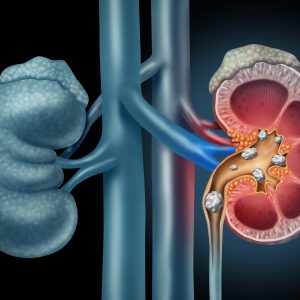
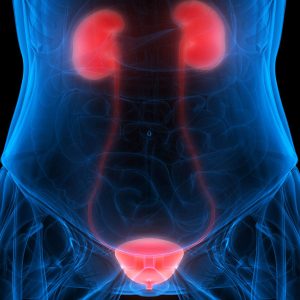
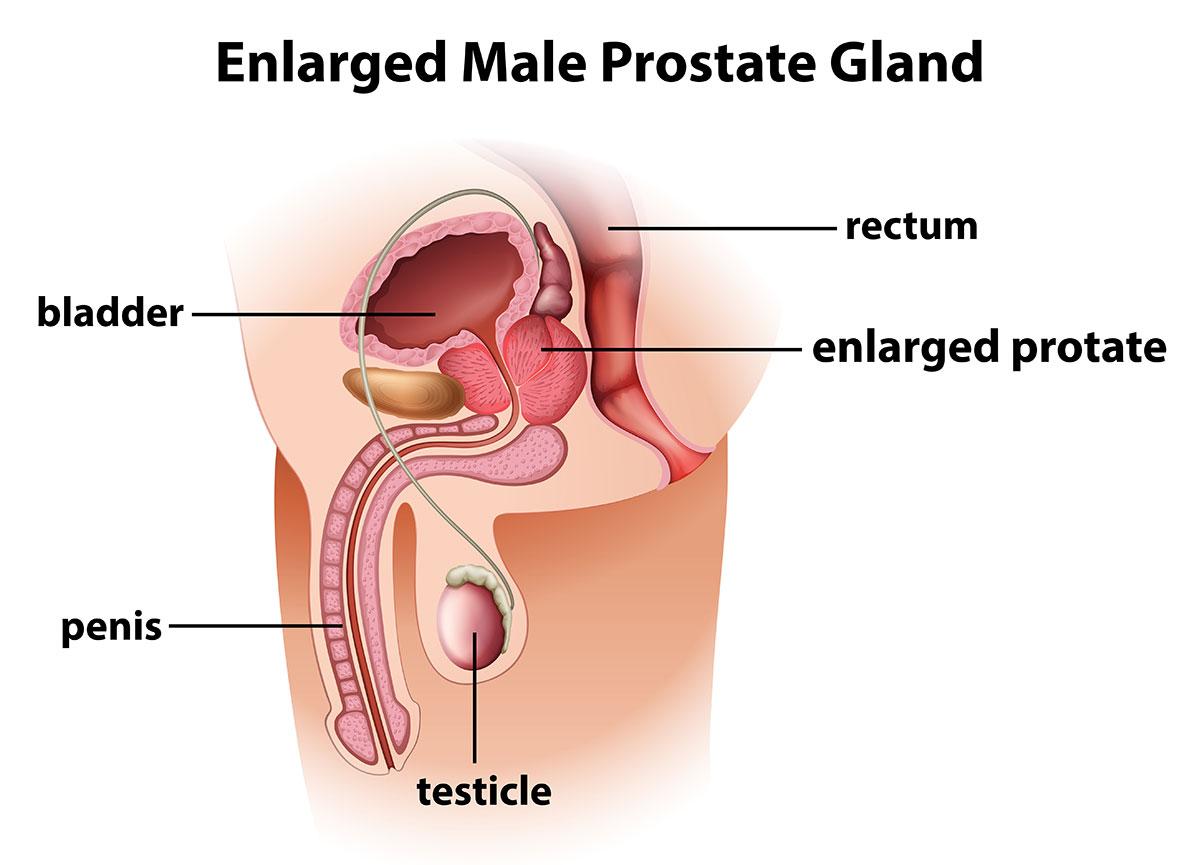
There are various types of urological disorders, each with its own set of symptoms and treatment options. Some common urological disorders include urinary tract infections (UTIs), kidney stones, urinary incontinence (involuntary leakage of urine), bladder disorders like cystitis or interstitial cystitis, prostate problems (such as benign prostatic hyperplasia or prostate cancer), and erectile dysfunction.
Symptoms of urological disorders can vary widely depending on the specific condition, but common signs may include pain or discomfort during urination, frequent urination, urgency to urinate, blood in the urine, difficulty starting or maintaining a steady urine stream, pelvic pain, and sexual dysfunction.
Diagnosis of urological disorders often involves a combination of medical history evaluation, physical examination, laboratory tests (such as urine or blood tests), imaging studies (like ultrasound, CT scans, or MRI), and specialized procedures like cystoscopy.
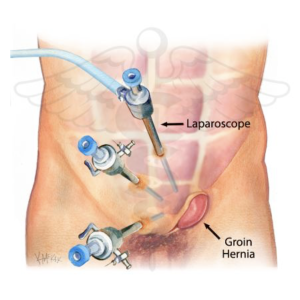
Treatment for urological disorders depends on the underlying condition and its severity. It can include medication, lifestyle changes, physical therapy, minimally invasive procedures, or surgery. The goal of treatment is to alleviate symptoms, improve urinary function, and prevent complications.
If you suspect you have a urological disorder or are experiencing any urinary symptoms, it is important to consult with a urologist or healthcare professional. They can provide an accurate diagnosis, recommend appropriate treatment options, and help manage and improve your urological health.